

Compositing Academy Start here

180° Shutter Angle

Understanding Motion Blur in Cinema

The Foundation of Cinematic Motion

The 180-degree shutter angle is the standard that creates natural-looking motion blur in film and video. It means the camera's shutter is open for exactly half the duration of each frame.

Film cameras use a physical rotating disc. Digital cameras achieve the same effect electronically. Both follow the same principle: expose for half, block for half.

Section 01

Film vs Digital Shutters

Film cameras have a rotating disc with a 180° opening. Half the rotation exposes film, half blocks light for film advance. Digital cameras simulate this electronically.

Film Camera

180° Opening (Half Open)

Digital Camera

Electronic Exposure
Film: Physical disc rotates with 180° cutout. Half the rotation exposes film, half blocks light for film advance.
Digital: Sensor controls exposure time electronically. No moving parts, but same timing principle.
Result: Both create motion blur equal to half the frame duration.

Visualizing Motion Blur

The length of the blur depends on how long the shutter is open while an object moves. Longer exposure times (slower shutter speeds) create a longer blur trail.

Fast Shutter (Crisp Motion)
180° Shutter (Natural Blur)
Slow Shutter (Streaky Blur)

Real-World Example
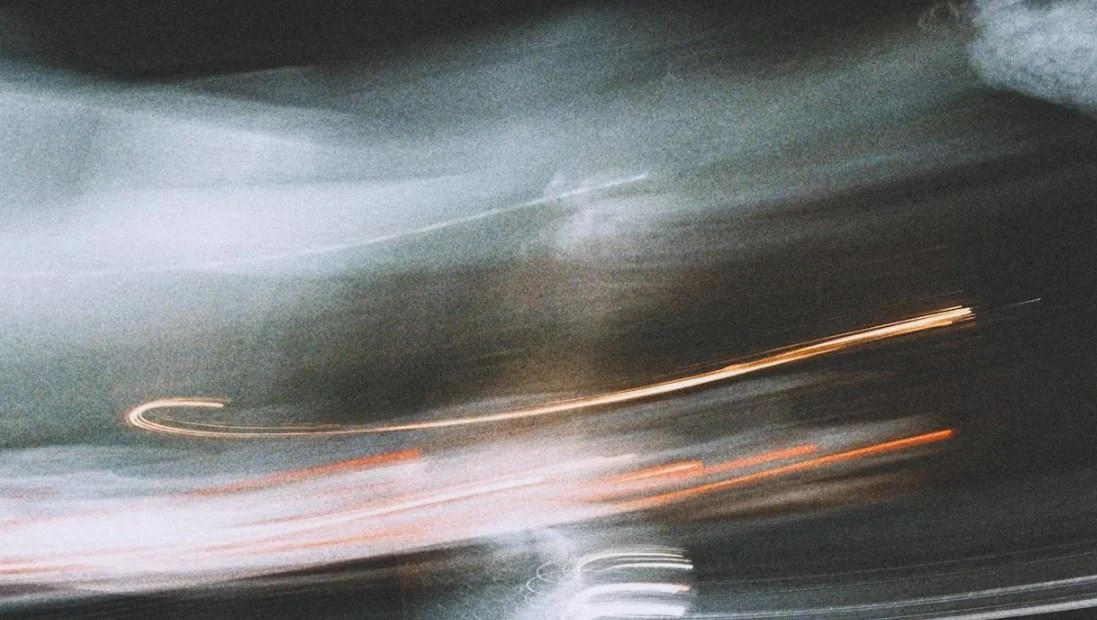
Long Shutter Speed Photography Example

Long exposure photography showing significant motion blur from moving objects.

Section 02

The Simple Math

To achieve 180° shutter on any camera, you need to expose each frame for exactly half its duration. The formula is simple.
The 180° Rule
Shutter Speed = 1 / (FPS × 2)
Double your frame rate to get the shutter speed denominator
Common Frame Rates
Frame Rate 180° Shutter Speed Actual Setting
24 fps 1/48 sec 1/48 or 1/50
30 fps 1/60 sec 1/60
60 fps 1/120 sec 1/120 or 1/125
120 fps 1/240 sec 1/240 or 1/250
If your camera shows angles: set to 180°. If it shows fractions: use the formula above. Some cameras don't have exact values (like 1/48), so use the closest available.
Section 03

Why 180°?

This specific amount of motion blur has become the standard because it best matches how our eyes perceive motion in real life.
Historical: Film cameras needed time to advance the film. 180° gave equal time for exposure and transport.
Perceptual: This amount of blur looks natural to our eyes - not too sharp, not too blurry.
Standard: A century of cinema has trained audiences to expect this specific look.
360°
Maximum Blur
Dreamy, surreal
180°
Standard
Natural motion
90°
Reduced Blur
Crisp, sharp
45°
Minimal Blur
Staccato effect
⚠ Breaking the 180° rule creates specific looks. Faster shutters (90°, 45°) create choppy motion for action scenes. Slower shutters (270°, 360°) create dreamy blur for artistic effect.

The Bottom Line

180° shutter = exposure for half the frame duration.

Whether you're using a film camera with a rotating disc or a digital camera with electronic shutter, the principle is the same. At 24fps, use 1/48 (or 1/50). At 60fps, use 1/120.

This creates the natural motion blur that defines the cinematic look.